

Furnace Installation in Alexandria, LA: Costs & Process Explained
Furnace Installation in Alexandria, LA: Costs & Process Guide
By Keith Lasyone, Bigfoot Electric & AC
Furnace installation is a critical aspect of home comfort, especially in regions with harsh winters. Understanding the various types of furnaces, their installation processes, and maintenance requirements can empower homeowners to make informed decisions. This comprehensive guide will delve into the essential elements of furnace installation, including costs, types, and maintenance tips, specifically tailored for homeowners in Central Louisiana. Many individuals face challenges in selecting the right furnace and ensuring its proper installation and upkeep. By addressing these concerns, this article aims to provide clarity and guidance. We will explore the different types of furnaces available, the costs associated with installation, the importance of hiring licensed technicians, and essential maintenance tips to extend the lifespan of your heating system.
Furnace Installation in Alexandria, LA: Costs & Process Guide
Furnace installation is a significant investment for homeowners, particularly in Central Louisiana, where the climate can necessitate reliable heating solutions. Understanding the local context is crucial, as it influences the type of furnace that may be most effective and the installation practices that should be followed. Homeowners should be aware of the services offered by local experts, such as Bigfoot Electric and AC, who specialize in furnace installation and related HVAC services. This guide aims to educate homeowners on the various aspects of furnace installation, ensuring they are well-prepared to make informed decisions.
Furnace Installation in Alexandria, LA: Costs & Process Guide
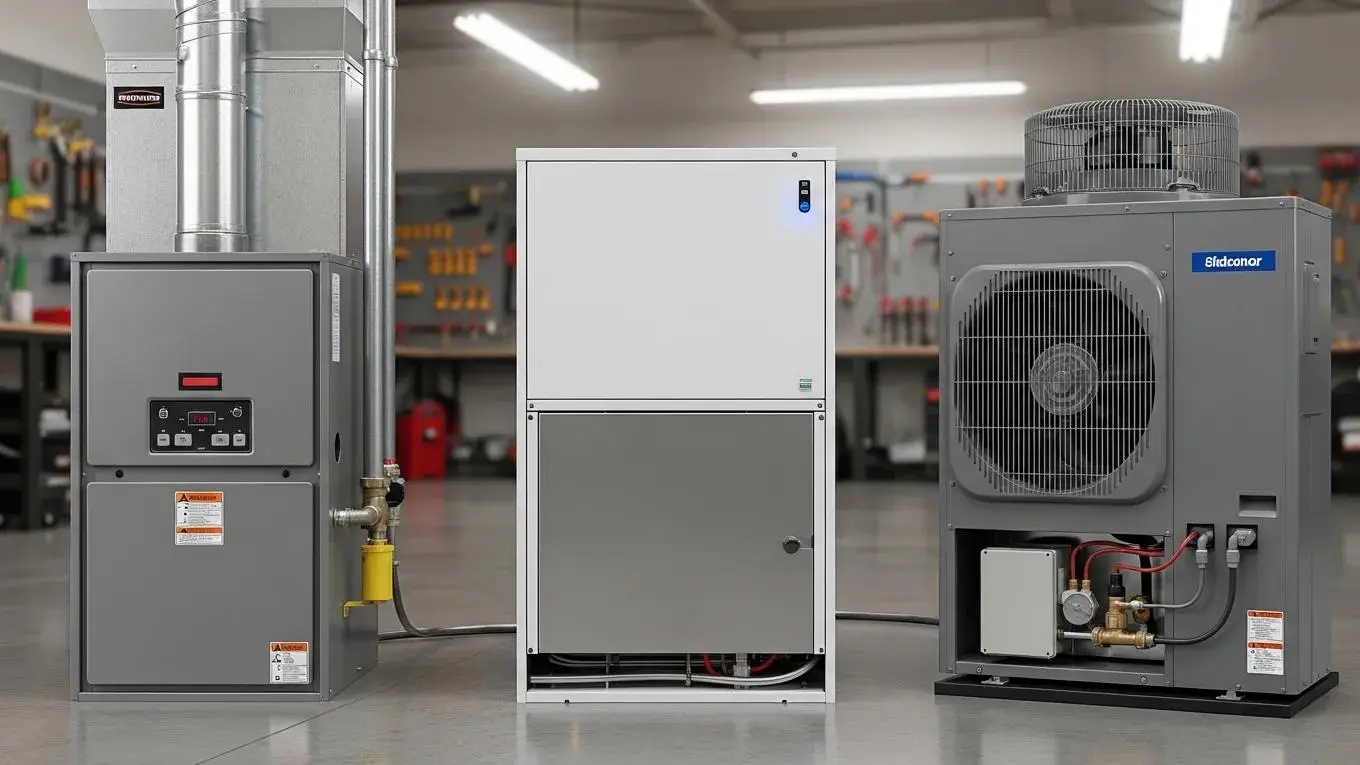
When considering furnace installation, it’s essential to understand the different types of furnaces available. Each type has unique features and benefits that cater to various heating needs.
- Gas Furnaces: These are one of the most common types of furnaces, known for their efficiency and cost-effectiveness. They use natural gas as a fuel source, providing quick heating and lower operational costs.
- Electric Furnaces: Electric furnaces are ideal for homes without access to gas lines. They are generally easier to install and maintain, though they may have higher operational costs compared to gas models. For additional electrical needs, homeowners can also explore electrical services to ensure their home’s wiring supports the furnace efficiently.
- Heat Pumps: These systems can both heat and cool a home, making them versatile options. They can be particularly effective in moderate climates and can significantly reduce energy costs.
Understanding these options allows homeowners to choose the best furnace type for their specific needs and circumstances.
Installation Costs
The cost of furnace installation can vary significantly based on several factors, including the type of furnace, the size of the home, and the complexity of the installation. On average, the cost of a new HVAC system typically ranges from $7,000 to $15,000, depending on the size of your home, equipment type, and installation requirements.
Further research into the long-term financial implications of furnace choices reveals that considering lifetime costs, beyond just initial installation, is crucial for homeowners.
Residential Gas Furnace Economics: Installation, Maintenance & Lifetime Costs
This study accounts not only for the equipment cost but also for the cost of installing, maintaining, repairing, and operating the equipment over its lifetime. Overall, this study, which is focused on US single-family new construction households that install gas furnaces and storage water heaters, finds that installing a condensing or power-vent water heater together with condensing furnace is the most cost-effective option for the majority of these houses.
Economics of residential gas furnaces and water heaters in US new construction market, G Wong-Parodi, 2010
It’s essential for homeowners to obtain multiple quotes from licensed technicians to ensure they receive a fair price for their installation.
Importance of Licensed Technician Installation
Hiring a licensed technician for furnace installation is crucial for several reasons. First, licensed professionals ensure that the installation complies with local building codes and safety regulations. This compliance is vital for the safety of the home and its occupants. Additionally, professional installation can enhance the efficiency of the furnace, leading to lower energy bills and improved comfort. Furthermore, many manufacturers require professional installation to maintain warranty coverage, protecting the homeowner’s investment.
Maintenance Tips
Regular maintenance is key to extending the lifespan of your furnace and ensuring it operates efficiently. Homeowners should consider the following maintenance tips:
- Schedule Regular Inspections: Have a licensed technician inspect your furnace at least once a year to identify potential issues before they become major problems.
- Replace Filters: Change the air filters every 1-3 months to maintain optimal airflow and efficiency.
- Monitor for Warning Signs: Be vigilant for unusual noises, smells, or performance issues, and address them promptly to avoid costly repairs.
Implementing these maintenance practices can significantly enhance the performance and longevity of your furnace.
Benefits of Regular Furnace Maintenance
Regular maintenance offers numerous benefits that can enhance the overall performance of your heating system.
- Extends Unit Lifespan: Routine maintenance helps identify and resolve issues early, prolonging the life of the furnace.
- Reduces Risk of Failure: Regular inspections can prevent unexpected breakdowns during the coldest months, ensuring reliable heating.
- Saves on Energy Bills: A well-maintained furnace operates more efficiently, leading to lower energy costs over time.
For homeowners in Central Louisiana, partnering with a trusted service provider like Bigfoot Electric and AC can ensure that your furnace receives the care it needs to operate at peak performance. Additionally, Bigfoot Electric and AC offers a range of other home improvement services, including generator installation, window replacement, and bathroom remodeling, making them a versatile partner for your home needs.
How to Choose the Best Furnace Brand for Your Home?
Selecting the right furnace brand is essential for ensuring reliability and efficiency. Homeowners should consider the following factors when making their choice:
- Reliability: Look for brands with a strong reputation for durability and performance.
- Energy Efficiency Ratings: Check the AFUE (Annual Fuel Utilization Efficiency) ratings to compare the efficiency of different models.
- Local Availability: Choose brands that are readily available in your area to ensure easy access to parts and service.
By focusing on these criteria, homeowners can make informed decisions that align with their heating needs and budget.
Which Furnace Brands Offer the Best Reliability and Efficiency?
Several furnace brands are known for their reliability and efficiency. Some of the top brands include:
- Trane: Renowned for its durability and high-efficiency models, Trane offers a range of options suitable for various home sizes.
- Carrier: Known for innovative technology and energy-efficient systems, Carrier provides reliable heating solutions.
- Lennox: With a focus on energy efficiency, Lennox furnaces are designed to reduce operational costs while providing consistent heating.
These brands have established themselves as leaders in the industry, making them excellent choices for homeowners.
What Local Factors Should Influence Your Furnace Brand Choice?
When selecting a furnace brand, local factors play a significant role. Homeowners should consider:
- Climate: The local climate can influence the type of furnace needed. For example, gas furnaces may be more suitable in colder regions.
- Local Service Availability: Ensure that the chosen brand has local service providers for maintenance and repairs.
- Energy Costs: Understanding local energy prices can help determine which type of furnace will be most cost-effective in the long run.
By taking these factors into account, homeowners can choose a furnace brand that meets their specific needs.
How Does the Furnace Installation Process Work?

The furnace installation process involves several key steps to ensure a successful setup.
- Assessment: A licensed technician will assess the home to determine the appropriate furnace size and type based on heating needs.
- Preparation: The installation area will be prepared, including any necessary modifications to ductwork or electrical systems.
- Installation: The new furnace will be installed according to manufacturer specifications and local codes.
- Testing: After installation, the technician will test the system to ensure it operates correctly and efficiently.
This systematic approach ensures that the furnace is installed safely and effectively.
What Are the Step-by-Step Installation Procedures?
The step-by-step installation procedures typically include:
- Removing the Old Furnace: The technician will safely disconnect and remove the existing furnace.
- Installing the New Unit: The new furnace will be positioned and connected to the existing ductwork and electrical systems.
- Sealing and Insulating: All connections will be sealed and insulated to prevent energy loss.
- Final Testing: The technician will conduct a final inspection and test the system to ensure it operates efficiently.
Following these procedures helps guarantee a successful installation.
Why Is Licensed Technician Installation Important in Central Louisiana?
In Central Louisiana, hiring a licensed technician for furnace installation is particularly important due to the region’s unique climate and building codes. Licensed professionals are familiar with local regulations and can ensure that the installation meets all safety standards. Additionally, they have the expertise to recommend the best furnace type for the specific heating needs of the area, ensuring optimal performance and efficiency.
What Should Homeowners Expect During and After Furnace Installation?
Homeowners can expect a thorough process during and after furnace installation, which includes clear communication and professional service.
- Pre-Installation Consultation: Homeowners will receive a consultation to discuss their heating needs and preferences.
- Installation Day: The technician will arrive on the scheduled day, equipped with the necessary tools and materials.
- Post-Installation Follow-Up: After installation, the technician will provide guidance on operating the new furnace and schedule any necessary follow-up maintenance.
This comprehensive approach ensures that homeowners feel supported throughout the installation process.
How Long Does Furnace Installation Typically Take?
Furnace installation typically takes between 4 to 8 hours, depending on the complexity of the installation and the type of furnace being installed. Factors such as the need for ductwork modifications or electrical upgrades can influence the installation time. Homeowners should plan accordingly and ensure that they have access to their home during the installation process.
What Are the Post-Installation Care and Warranty Details?
After installation, homeowners should be aware of the care and warranty details associated with their new furnace. Most manufacturers offer warranties ranging from 5 to 10 years, covering parts and, in some cases, labor. Homeowners should keep all documentation and schedule regular maintenance to ensure their warranty remains valid. Additionally, understanding the manufacturer’s guidelines for care and maintenance can help extend the lifespan of the furnace.